HSSC COURSES
Parksons Institute offers Government-certified, Industry-linked courses that fill the critical skill gap in the Allied Healthcare Sector. Graduate job-ready and join the 74 lakh professionals needed by 2022
420 Hours
- Classroom Training
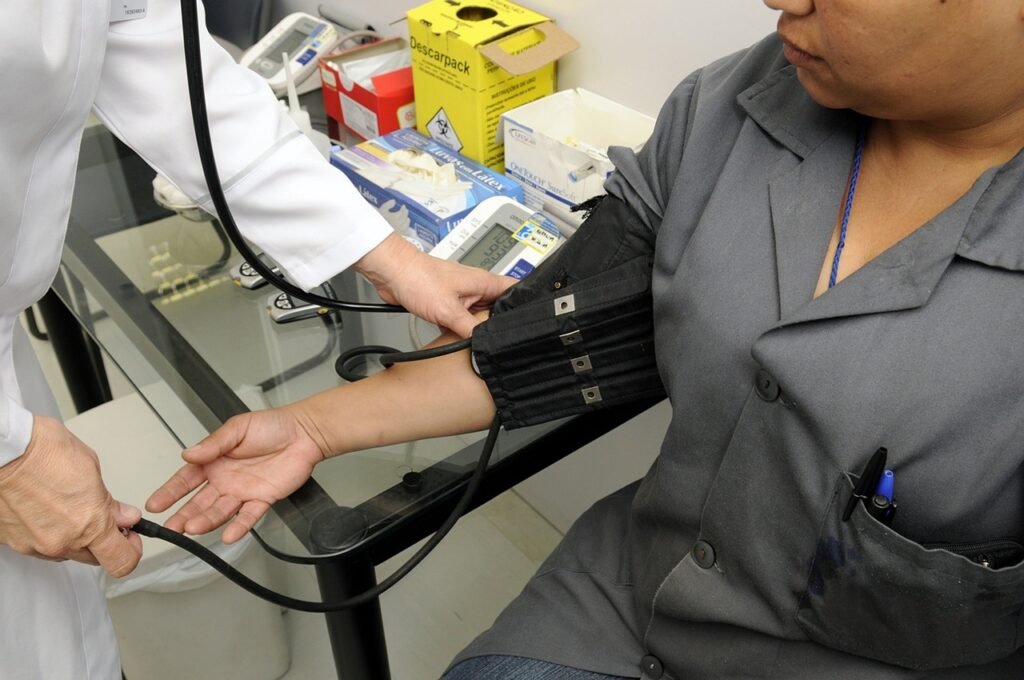
GDAs (also known as Ward Boys) provide crucial support to doctors and nurses in a medical setting. This course aims to educate students on how to maintain hygiene and provide quality care to patients during their treatment. You will gain core technical skills in patient mobility, monitoring, and infection control, preparing you for immediate placement in hospitals.
Home Health Aide
360 Hours
- Classroom Training
HHAs are essentially GDAs specially trained to work in a Home environment. They deal with Home Care patients and can specialize in areas like Elderly care or Motherhood care. This course focuses on personalized care, communication with families, and adapting medical support to a non-clinical setting, a rapidly growing segment of the healthcare industry.
Emergency Medical Technician - Basic
360 Hours
- Classroom Training
An EMT is professionally trained to provide basic emergency medical care to patients during critical and emergency situations. You will learn to provide initial medical assistance utilizing equipment typically found in an ambulance or trauma centre, preparing you for dynamic roles in emergency services.
Phlebotomy Technician
600 Hours
- Classroom Training
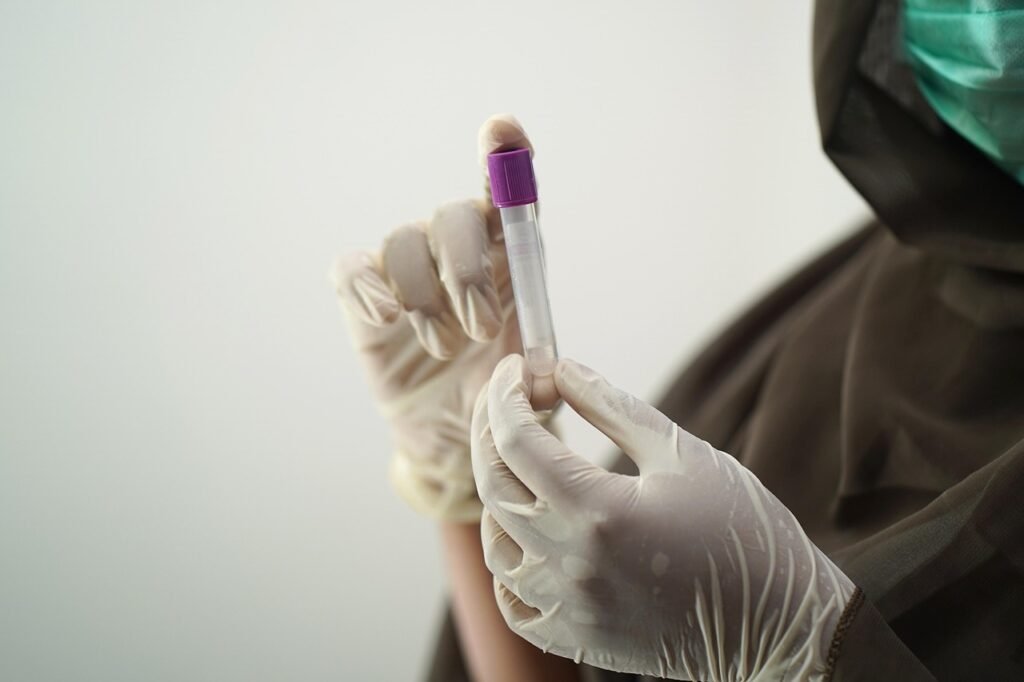
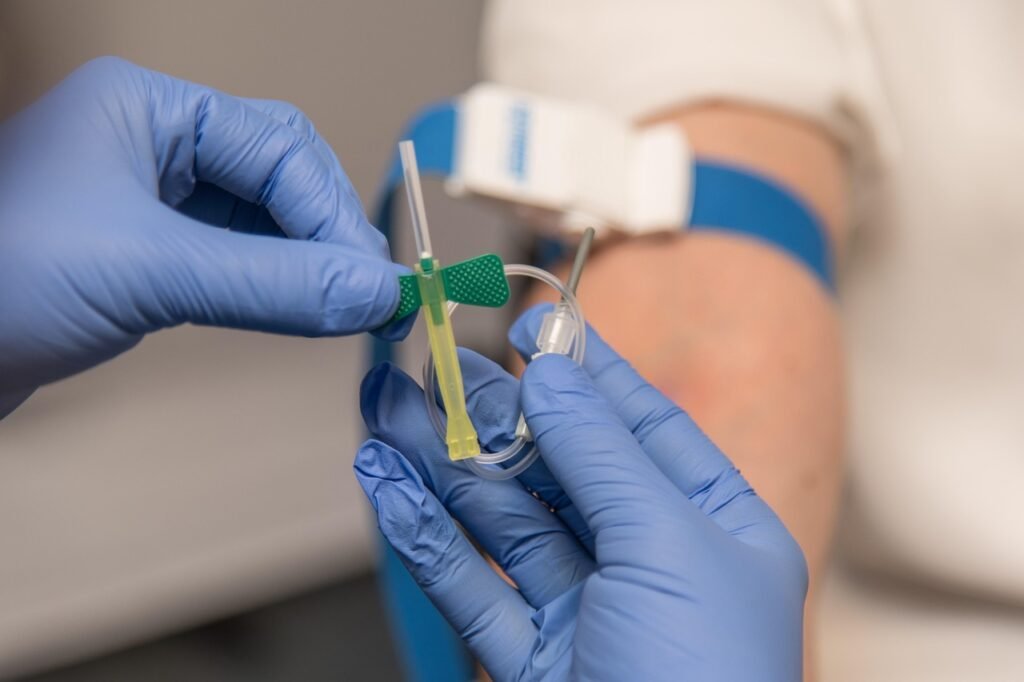
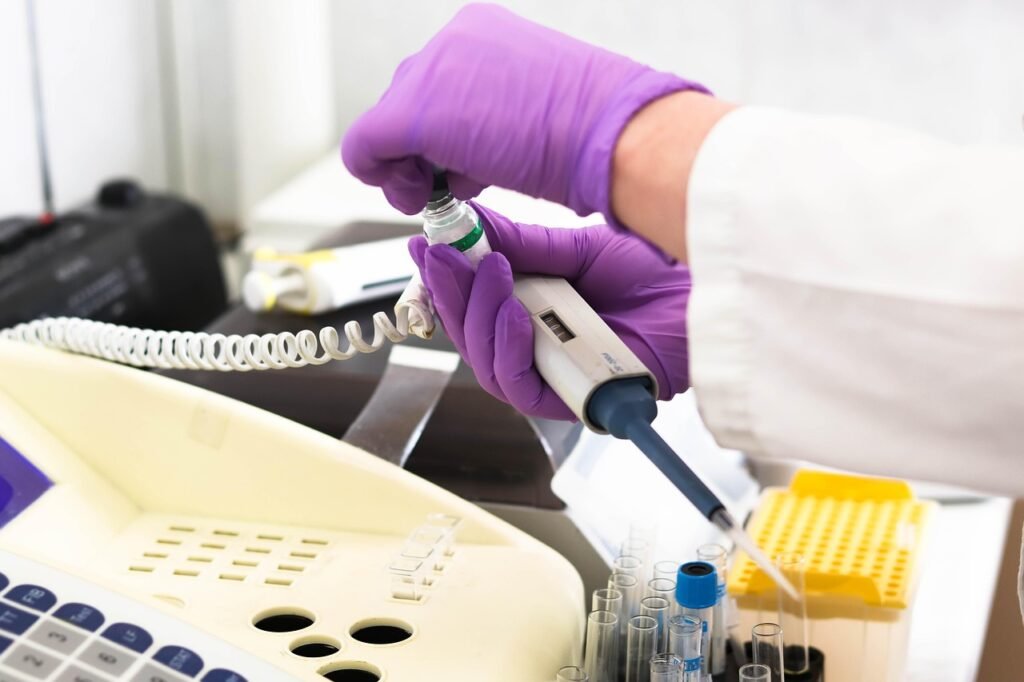
Phlebotomists are responsible for drawing blood to conduct various essential tests. The comprehensive course imparts training on the principles of phlebotomy, patient safety protocols, and laboratory services. A core goal is to improve the quality of patient specimens and reduce pre-analytical errors, strengthening the overall laboratory function.
Emergency Medical Technician - Adv
1000 Hours
- Classroom Training
This advanced qualification builds upon basic emergency care, providing specialized, complex training for highly critical and trauma situations. Graduates are equipped for senior roles in emergency response and critical care units.
Operating Theatre Technician
1200 Hours
- Classroom Training
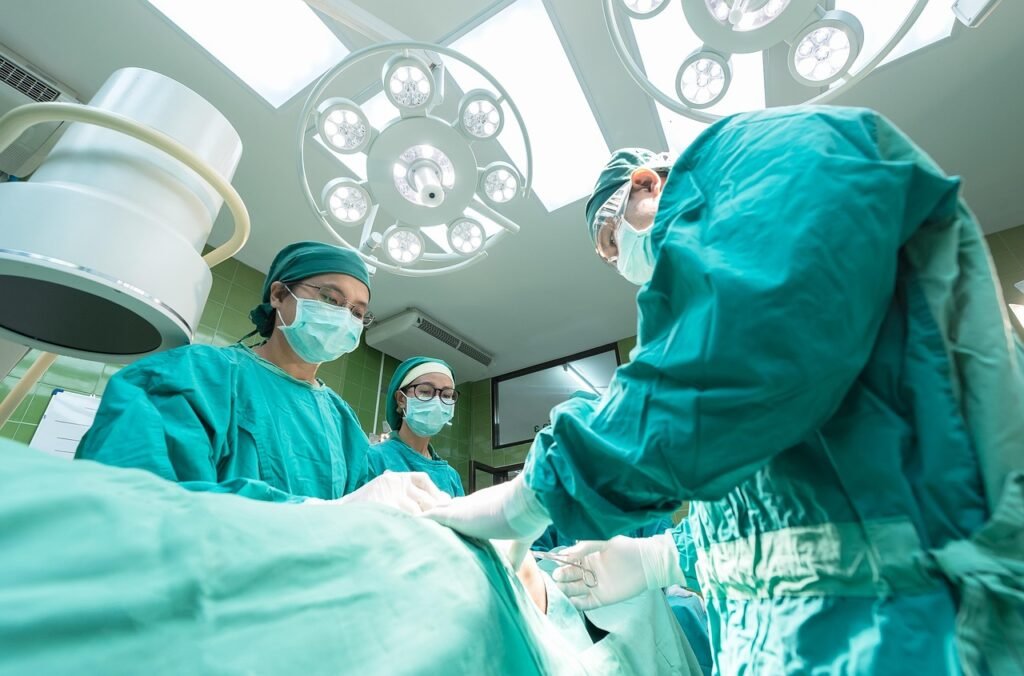
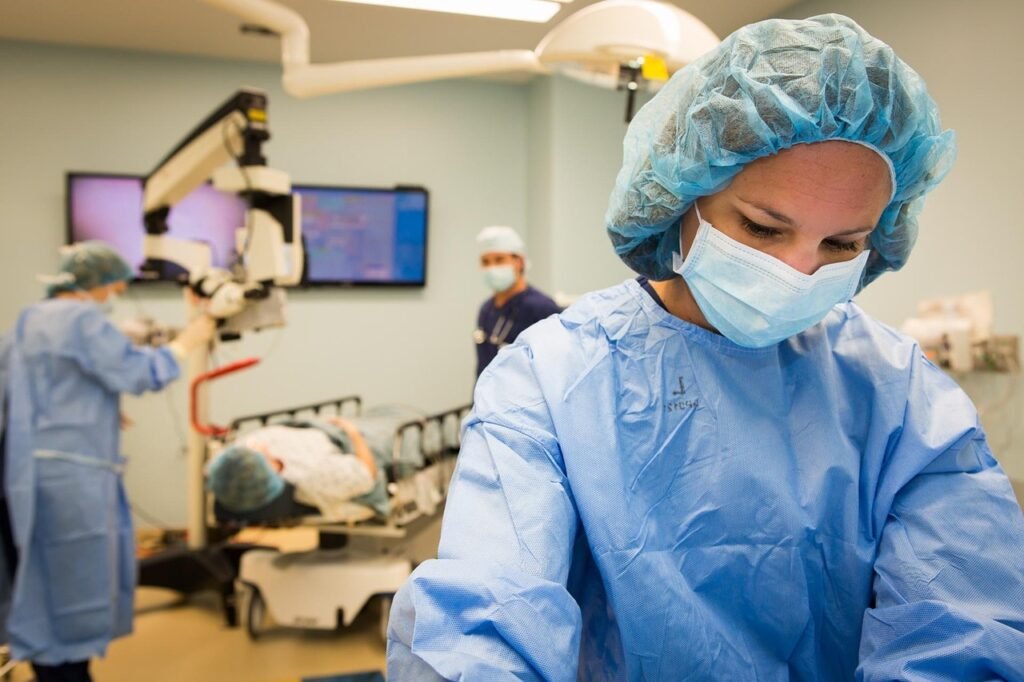
Professionals trained to assist surgeons and anesthesiologists, ensuring the operating theater is sterile, functional, and organized for critical procedures.
Dialysis Technician
1400 Hours
- Classroom Training
Trained to operate and maintain dialysis machines used to filter waste products for patients with kidney failure. This role is in high demand due to rising diabetes and kidney cases
Radiology Technician
1500 Hours
- Classroom Training
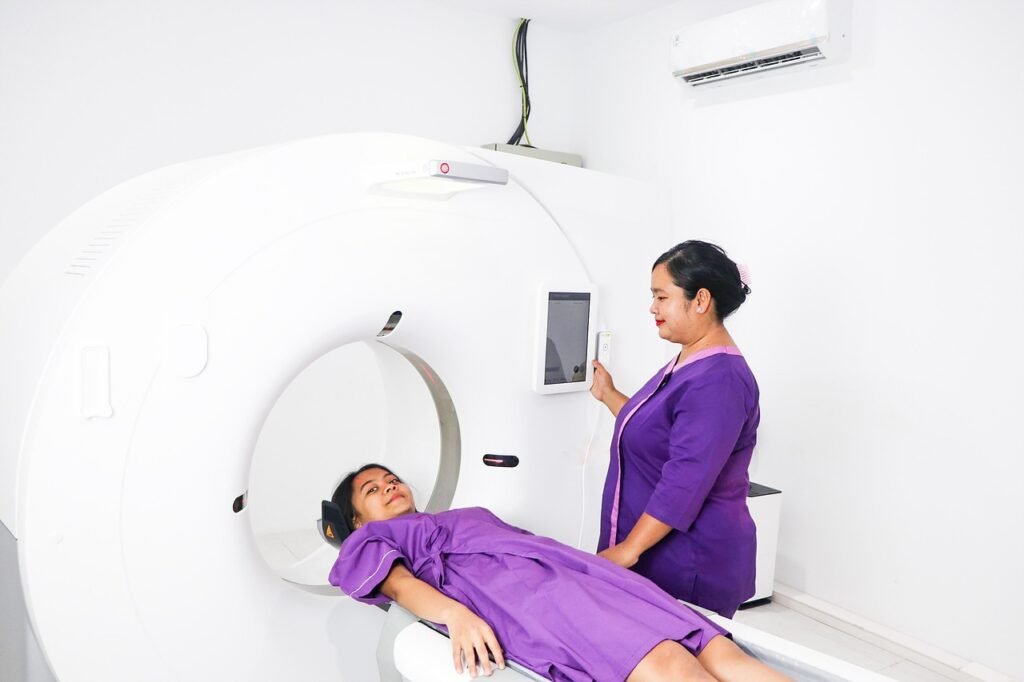
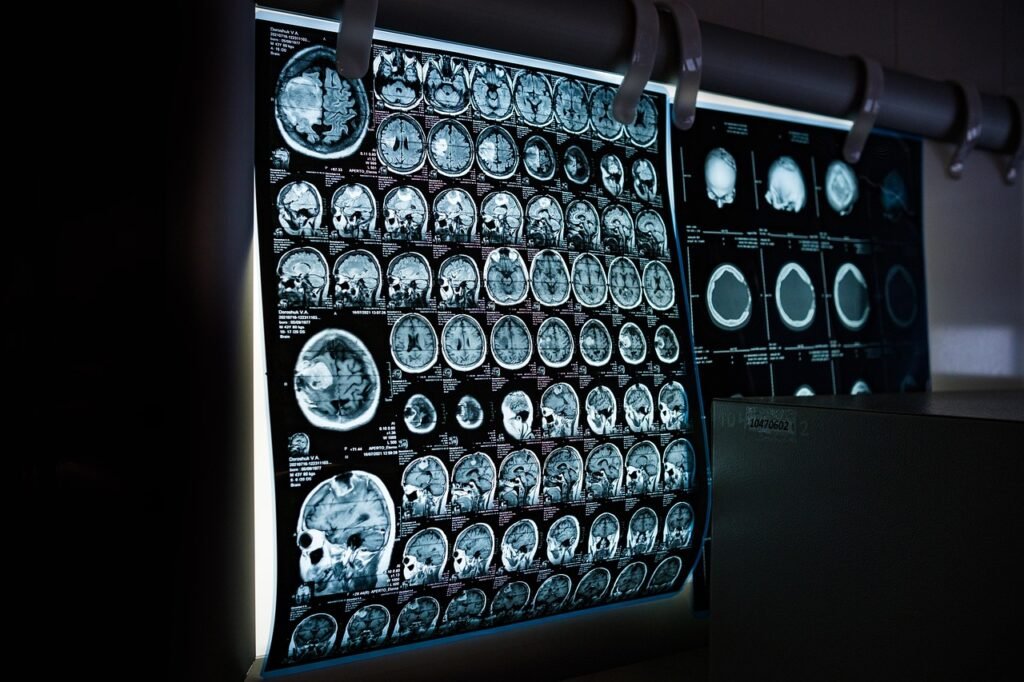
Master the use of imaging technology, such as X-ray and computed tomography (CT), to assist in accurate diagnosis and treatment. You will learn patient positioning, radiation safety protocols, and the essential techniques for image processing. Play a technical and vital role in the diagnostic wing of healthcare.
Vision Technician
425 Hours
- Classroom Training
Focus on eye care by assisting ophthalmologists with preliminary eye examinations, vision screening, and dispensing corrective vision aids. Learn about common eye disorders and how to manage the equipment used in a clinical eye care practice.
Pharmacy Assistant
425 Hours
- Classroom Training
Develop the core competencies to support pharmacists in dispensing medication, managing inventory, and handling prescriptions accurately. Learn about drug classifications, dosage calculations, and providing excellent customer service in both retail and hospital pharmacies..
Cardiac Care Technician
1500 Hours
- Classroom Training
Acquire the advanced skills required to monitor, test, and assist patients with heart conditions. Learn to conduct diagnostic procedures like ECG (Electrocardiogram) and Treadmill Tests (TMT) and assist cardiologists during interventions. This role supports life in one of the most critical medical fields.
Front Line Health Worker
425 Hours
- Classroom Training
Become a key link between the community and the formal healthcare system, promoting public health awareness and basic screening. This role focuses on health education, disease prevention, and connecting local populations to necessary medical services.